Wood carving is a fun and rewarding hobby that anyone can pick up. Seriously, if you’re looking for a creative outlet or just want to try something new, this is it! All you need is a few basic tools, some wood, and a bit of patience. You’ll be amazed at what your hands can create.
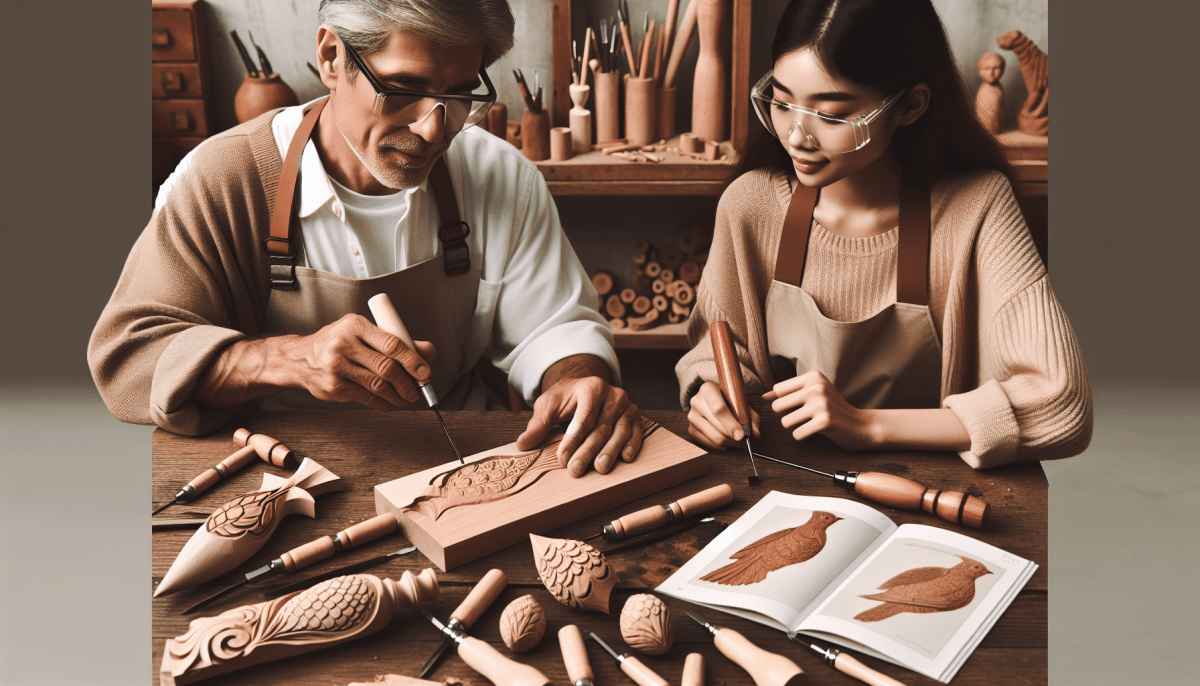
First things first, grab some essential tools. A good starter kit includes a carving knife, a gouge, and maybe a chip carving knife. These tools don’t have to break the bank—plenty of budget-friendly options work great. Just be sure they're sharp. Dull tools can lead to frustration and accidents. Your safety is super important, so always carve away from your body and use a sturdy surface.
Next, pick the right wood. Basswood is a classic choice for beginners because it’s easy to carve and doesn’t splinter as much. Pine can also work, but it has a lot of knots that can make carving tricky. Once you have your wood settled, look for simple patterns online. Start small—try carving a basic shape like a spoon or a little animal. It'll help you get a feel for how the wood responds to your tools.
Lastly, practice! That’s the key to improving your skills. Don’t worry if your first few attempts don’t turn out perfect. Every carve is a step toward becoming better. Share your progress with friends, watch tutorials for tips, and keep experimenting. This journey is all about enjoying the process and unleashing your creativity!
Essential Tools You Need
If you're diving into wood carving, having the right tools makes all the difference. Here’s a quick rundown of the essential tools you'll need to get started.
1. Carving Knife: A good carving knife is your best friend. Look for one with a comfortable grip and a sharp blade. You’ll want it for detailed work and shaping your pieces. A knife that feels good in your hand really helps you create smoothly.
2. Chisels: Chisels come in various shapes and sizes, each serving its own purpose. Flat chisels are great for removing larger pieces of wood, while detail chisels help you with intricate designs. Consider a beginners' set with a few different types to figure out what you like best.
3. Gouges: Gouges are perfect for making curves and hollows in your wood. They come in different sizes, so it’s handy to have a few on hand. This tool helps add depth and character to your projects.
4. Slipstrop: Keeping your tools sharp is key to good carving. A slipstrop will help you maintain the edge on your knives and chisels. It’s as simple as running your tool along the slipstrop a few times to keep it in top shape.
With these tools in your kit, you’re all set to start carving. Jump in, have fun, and let your creativity flow!
Beginner-Friendly Carving Techniques
If you're just starting with wood carving, don't stress! Here are some beginner-friendly techniques to help you get comfortable with your tools and create some awesome pieces.
First up is whittling. This technique uses a simple knife to shave away small pieces of wood. Start with a soft wood like pine. Hold the wood in one hand and the knife in the other. Angle the blade slightly and push it into the wood. Keep your strokes light and controlled, and gradually shape your design. It's all about being patient and having fun!
Next, try spoon carving. You’ll need a carving knife and a hook knife. Begin by selecting a piece of wood that’s about the size of a small branch. Use your carving knife to remove the wood from the top and around the edges until it starts looking like a spoon. The hook knife helps you shape the bowl of the spoon. This technique is perfect for beginners because it’s simple and satisfying.
Another great technique is chip carving. This involves removing small, triangular pieces from the surface of the wood to create patterns. Grab a chip carving knife and practice making straight lines and basic shapes on a piece of wood. It’s a fun way to add detail to your projects and improve your skills without overwhelming yourself.
Lastly, don't forget about shaping with sandpaper. Once you’ve completed your carving, use different grits of sandpaper to smooth everything out. Start with a rough grit to remove any big bumps, and move to a finer grit for a nice finish. This step brings your work to life and makes your piece really stand out!
Common Mistakes and How to Fix Them
When you're just starting with wood carving, it's easy to make a few common mistakes. But don’t worry! We’ll help you spot these slip-ups and fix them so your projects turn out great.
One of the biggies is not choosing the right wood. Beginners often jump straight into carving without checking if the wood is suitable. Softwoods, like pine or basswood, are your best friends when you're starting out. They’re easy to carve and won’t give you too much trouble. If you end up with a harder wood, you might find yourself struggling, which can be frustrating.
Next up, improper tool use. It’s tempting to go full throttle and push hard to get through the wood, but that can lead to mistakes or even accidents. Instead, take your time. Use light, controlled strokes and let the tools do the work. When your tools are sharp, they glide through the wood like a hot knife through butter. Keep those blades in top shape!
Another common hiccup is being too ambitious with your first project. Sure, it’s fun to dream big, but starting with something manageable helps build your skills and confidence. Consider beginning with simple shapes or small items, like a spoon or a small figurine. Once you nail those, then you can move on to more complex projects.
Finally, don’t forget to embrace mistakes. Every artist has their fair share of goofs. Instead of getting discouraged, learn from them! Each piece teaches you something, even if you end up with a funky-looking bird instead of a majestic eagle. Just take a step back, laugh it off, and use that experience to improve your next carving.